
Particulate Matter (P.M.)
Particulate Matters are aerosols (the sum of all solid, liquid, organic or inorganic particles). Some are result of incomplete combustions from bushfires, volcanic activities, fossil fuel, biomass, (eg Black carbon soot) or industrial & anthropogenic activities. They cause both long term & short-term health complications.
Particulate Matters are categorised based on their size (PM<2.5 µm or PM<10 µm), physical or bio-chemical characteristics as well as presence of metals & toxins.
When PMs are combined with pollutant air gases their individual effects become exponential. Examples: dust, salt particles, sulphuric acid, smoke, black carbon.
Mode of action of PMs is through increasing pathogenic bacterial growth rate or disrupting alveolar microphage immune responses.
EnBioAdvice will provide consultancy on managing risk of exposure to particulate matters and provide advice on whether your specific project can benefit from our innovative devices and sustainable approach. We will provide you with a report on our evaluation of your particular project. You can contact our office to discuss further the possibilities for collaborations.
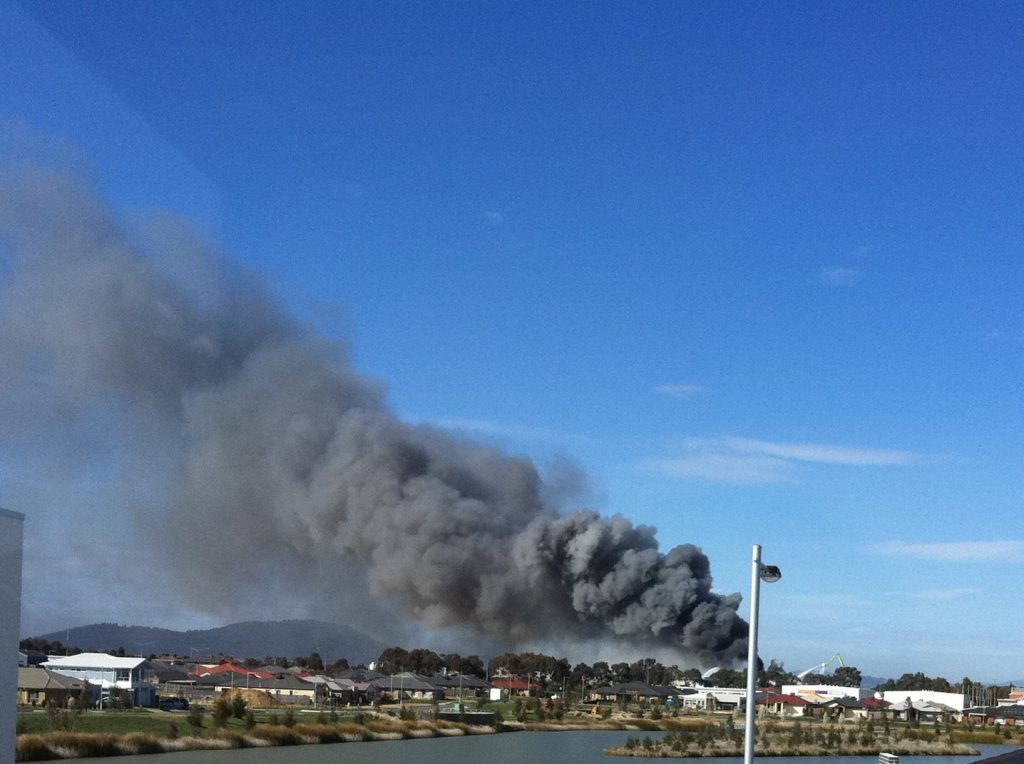
Comparison of PM size fractions:
